
Elephants are among the most iconic animals in Africa, and their presence is deeply tied to the continent’s landscapes, cultures, and ecosystems. But where exactly do these gentle giants live across Africa today?
There are two main species of African elephants: the African savanna elephant and the African forest elephant. Each has its own preferred habitats and ranges.
The African savanna elephant is the larger of the two and is most commonly found in grasslands, savannas, and open woodlands. These elephants roam across much of sub-Saharan Africa, from the vast plains of Kenya and Tanzania to the southern regions of Botswana, Zimbabwe, and South Africa. Botswana’s Okavango Delta, Tanzania’s Serengeti, and Kenya’s Amboseli National Park are some of the best-known places to see these magnificent animals in the wild.
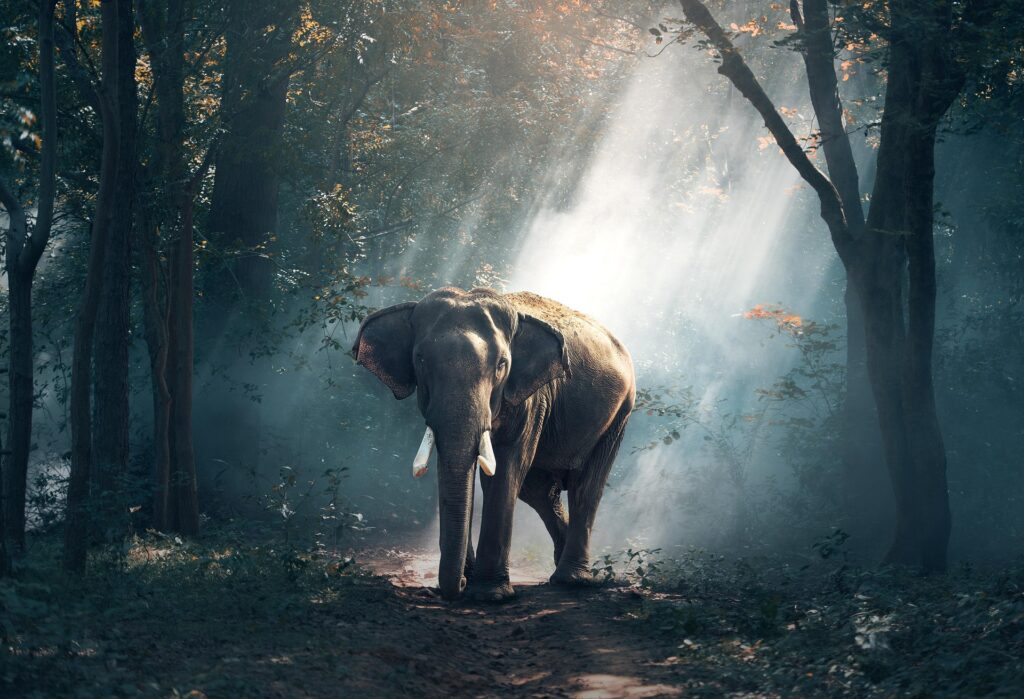
The African forest elephant, on the other hand, is smaller, with straighter tusks and a preference for dense rainforest environments. They inhabit the lush, tropical forests of Central and West Africa, including countries like Gabon, the Republic of Congo, and Cameroon. Because of their forest habitat, they are much harder to spot than their savanna relatives, but they play a critical role in maintaining the health of these rainforests by dispersing seeds and opening pathways through the vegetation.
Sadly, both species face significant threats from habitat loss and poaching. Conservation areas, such as national parks and wildlife reserves, have become essential safe havens where elephants can thrive.
Whether in the open savannas or the deep rainforests, elephants remain a symbol of Africa’s wild beauty. Protecting their habitats ensures that future generations can continue to experience the awe of seeing elephants roaming freely across the continent.